

Exosome Secretion
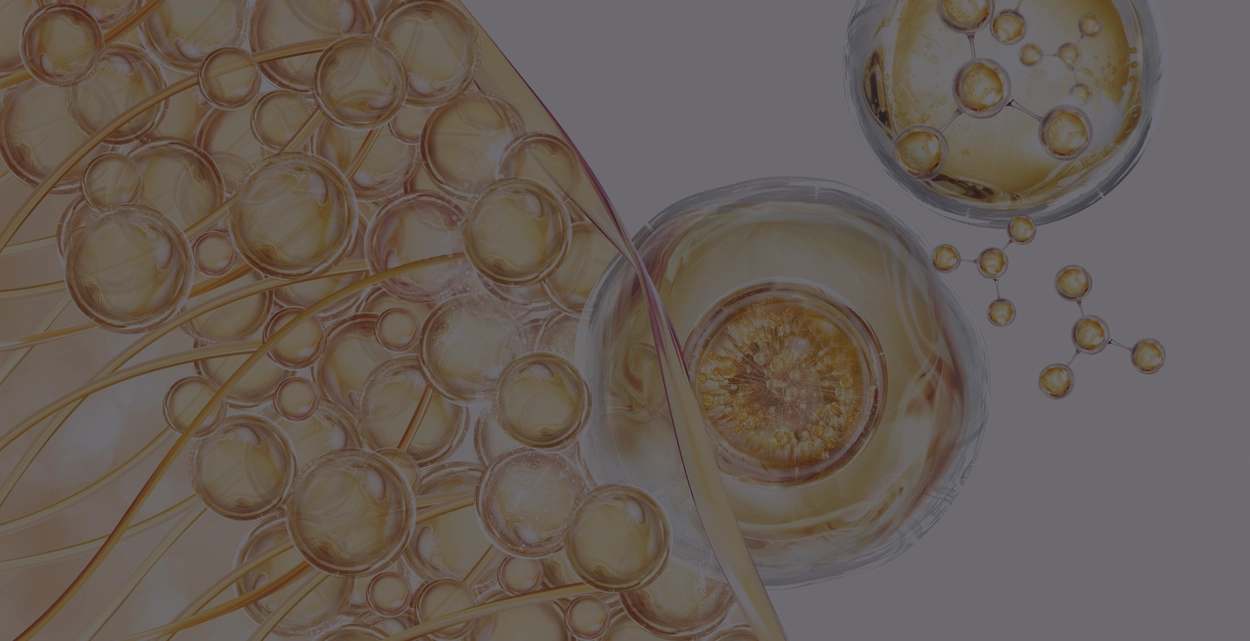
Exosomes are 30–150 nm nanovesicles responsible for cell-to-cell communication. Secreted by stem cells and diffusing into the surroundings, they carry a range of bioactive substances that deliver tissue-regeneration signals.
- Nanovesicles responsible for cell-to-cell communication
- Small vesicles of 30–150 nm
- Secreted by stem cells and diffusing outward
- Contain diverse bioactive substances

Paracrine Effect & Growth-Factor Delivery
The therapeutic effect of stem cells rests more on paracrine action through secreted substances than on direct differentiation. They deliver growth factors such as VEGF, FGF and IGF, and genetic information such as miRNA, to promote recovery of damaged tissue.
- Treatment through secreted substances matters more than direct differentiation
- Delivery of growth factors such as VEGF, FGF, IGF
- Delivery of genetic information such as miRNA
- Promotes recovery of damaged tissue
Immunomodulation
Stem cells suppress excessive immune responses and regulate inflammatory cytokines, minimizing tissue damage.
- Regulation of inflammatory cytokines
- Regulation of immune-cell activity
- Suppression of excessive immune response
- Minimized tissue damage

Regenerative Elements (PRP & Exosome Combination)
ABin Cell maximizes treatment efficiency by combining stem cells with PRP and exosomes.
- PRP (platelet-rich plasma) — contains diverse growth factors, activates stem cells
- Exosomes — reproduce stem-cell effects with no immune rejection
- Combination therapy — improves stem-cell survival and enhances tissue regeneration
This content is provided for general informational purposes only, and individual treatment outcomes may vary.